



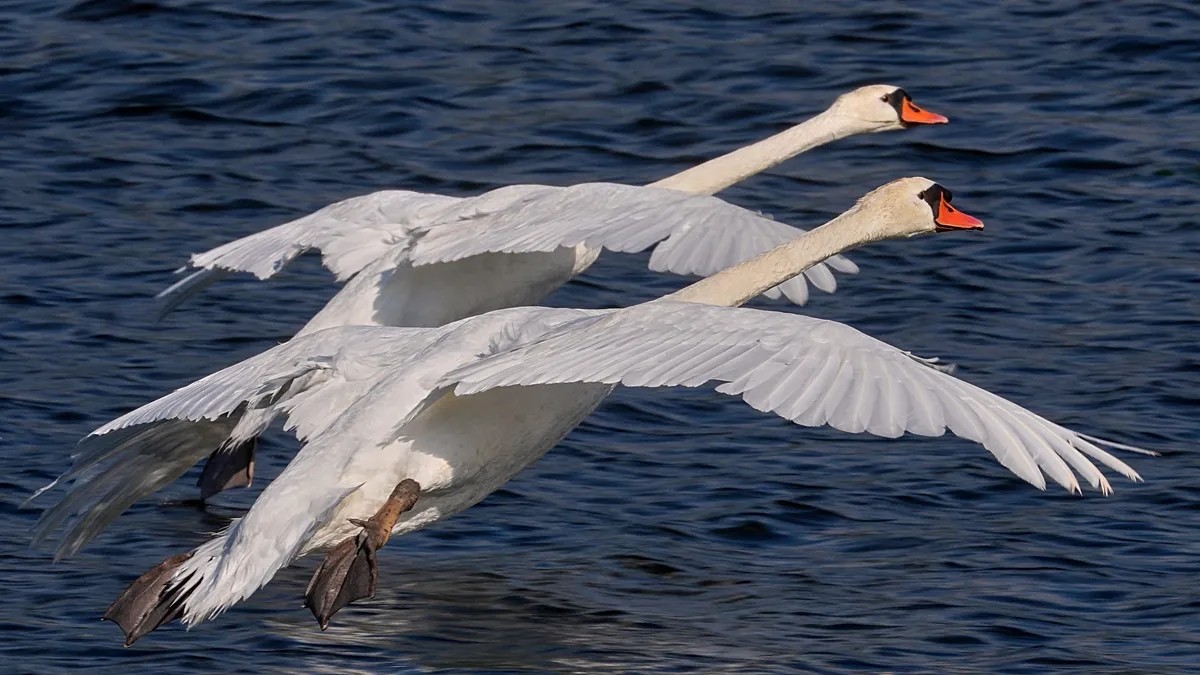
It’s a tender scene. Chicks huddle under wings. Rain lashes down. The caption reads, “True mother love.”
You share it. You feel a pang in your chest.
The video never happened.
It’s AI-generated. And it’s rewriting how we understand nature.
Researchers from the University of Córdoba published a paper in Conservation Biology warning that these fabricated clips are doing real damage. Not just to algorithms. To conservation.
The tools are getting too good. Generative AI can now spin convincing wildlife footage out of thin air. The study argues this is reshaping public understanding of animal behavior. Incorrectly.
Misleading the Public on Animal Behavior
Let’s look at that viral bird video.
It shows parents shielding young. The internet calls it maternal instinct. It’s a lie by omission.
In 90% of bird species? Males raise the young too. It’s not just “mother love.” It’s shared duty.
Then there are reptiles, amphibians, and fish. Many offer zero parental care. None of this matches the sentimental narrative the AI constructs.
The paper highlights other fictions too.
Predators cuddling prey. Parasites playing with hosts. These interactions have implausible affection baked into them. They suggest a harmony that doesn’t exist in the wild.
Worse still are the human-animal bonds.
One clip shows a polar bear “rescued” by fishers. The bear looks grateful. Exaggeratedly so.
This isn’t just cute. It’s dangerous.
It creates a false sense of security around wildlife. It might even fuel demand for exotic pets. Which drives the illegal trade.
The Bias Toward ‘Cute’ Species
Who gets to be in the AI zoo?
Probably mammals.
They dominate social media anyway. The researchers predict AI will skew further in their direction.
This has a financial ripple effect. Conservation funding is already uneven. Less popular species struggle. If the public only sees—and cares for—the fluffy, mammalian illusions, the rest lose out.
There’s also the issue of location.
Fake footage tagged to real places? Tourists will go looking for animals that aren’t there.
This adds pressure to ecosystems. Unneeded stress. Disruption.
Citizen Science Data Under Threat
The problem goes beyond viral videos.
It’s getting into the data.
A separate study in Nature Ecology and Evolution warns about AI-manipulated photos and audio on citizen-science platforms.
People upload these to track species distribution. To understand behavior.
If the data is contaminated, the science is flawed.
The culprit? Often not outright fabrication. But “over-enhancement.”
People want better-looking pictures. They use AI editors.
These tools can strip features used to identify species. Or add them where they don’t belong.
Here’s a concrete example.
Someone submitted a photo to iNaturalist. Claimed it was a red-winged blackbird. A North American species. Never before seen in Brazil.
The bird? An epaulet oriole. Common locally.
The image had been rebuilt with Google’s AI editor. It added red wing markings. Probably because the AI’s training data favored the North American bird.
The contributor meant no harm. Just wanted a prettier photo.
The researchers replicated the error independently. Same result.
They need public education. Users must know how much this editing damages scientific integrity.
A Gap in Regulation
The Córdoba study stops short of offering a fix.
Global regulation of AI content? Unlikely. Not anytime soon.
Instead, they call for media literacy.
Audiences need to question what they see. To stop assuming what is viral is true.
It’s a fragile line we’re walking.
The line between what’s real and what’s rendered.
We’re sharing fiction as fact. And the animals in the wild are paying the price.